
Resources
Featured Resources
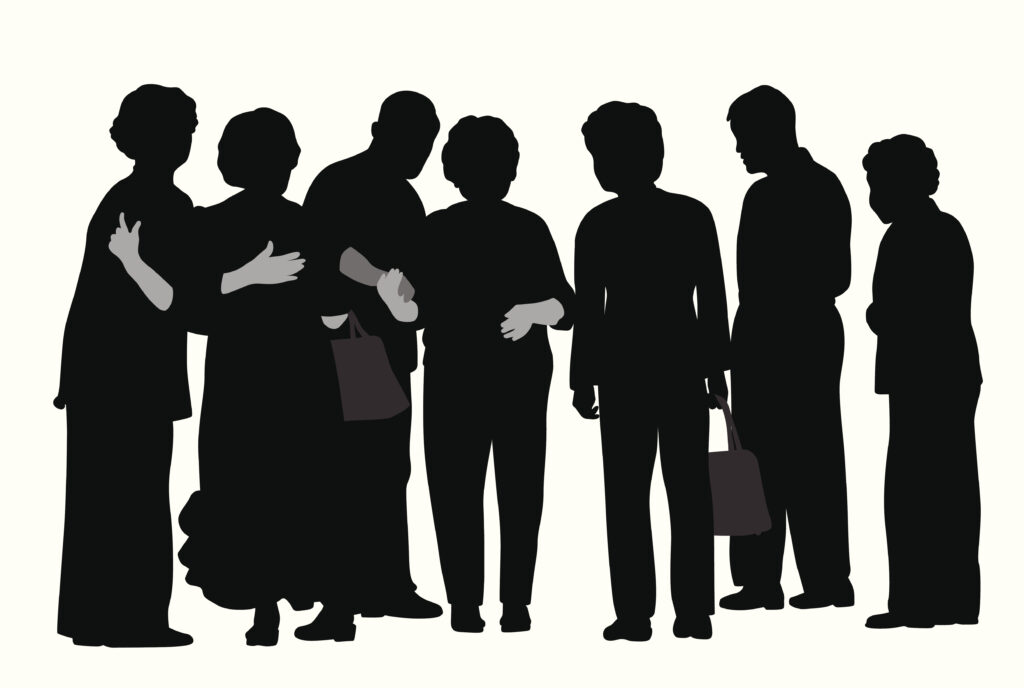
Battle Isolation by Staying Engaged
No matter how busy she is, and even when she’s on vacation, Erin McLeod stops every night at 10 p.m. to make a phone call. A simple phone call is one strategy to help counter social isolation among the elderly, a condition increasingly recognized as a health threat on par with smoking, and even more harmful than obesity.
- Article
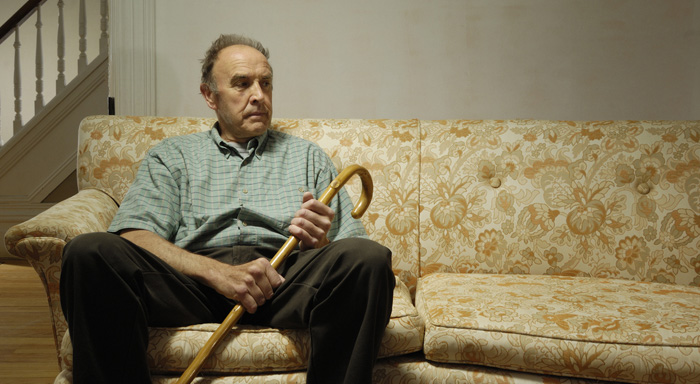
How Loneliness Wears on the Body
The results suggested that people suffering from social isolation may be more prone to inflammation and less able to fight viral infections—which could be one reason why lonely elderly people are more susceptible to illnesses ranging from the common cold to dementia, and why they have higher mortality rates than their peers.
- Article
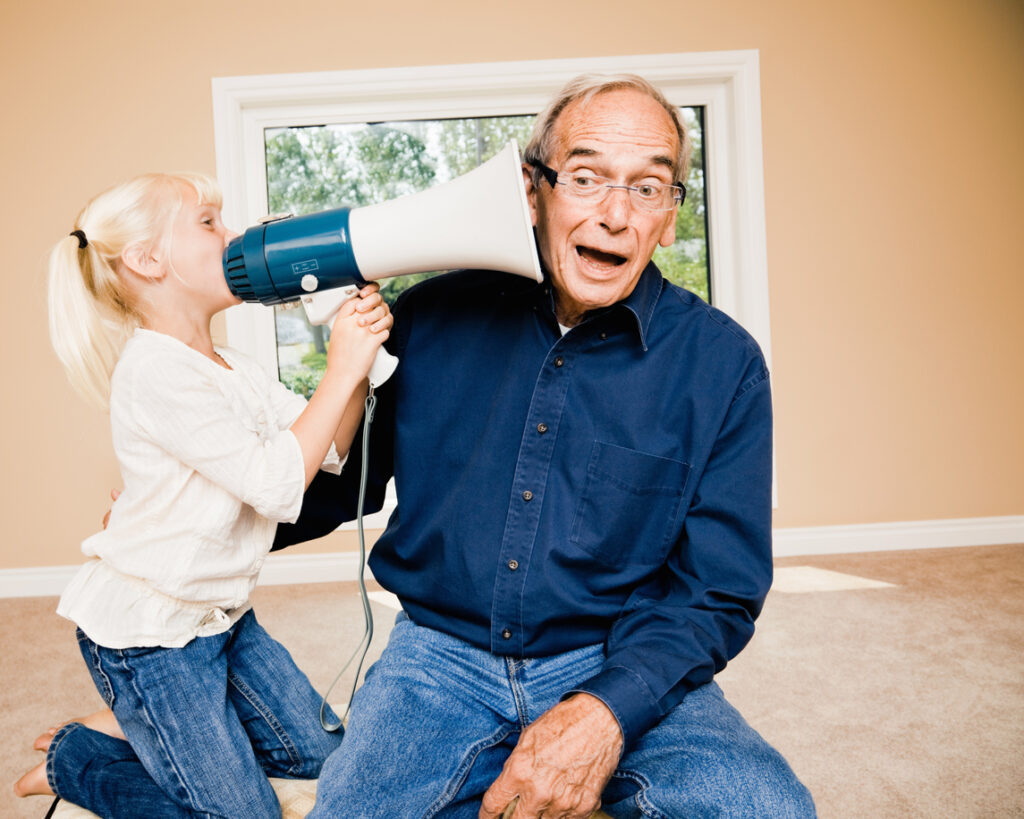
How Hearing Loss Hits the Whole Family
While an estimated 90 percent of those with hearing loss can benefit from treatment, it’s one of the most underserved health conditions, says Lisa Tseng…This can have a big impact on marriages, families and friendships. “Their conversations get shorter, less frequent and less meaningful. Untreated, it creates problems not just for those who can’t hear but for everyone around them…”
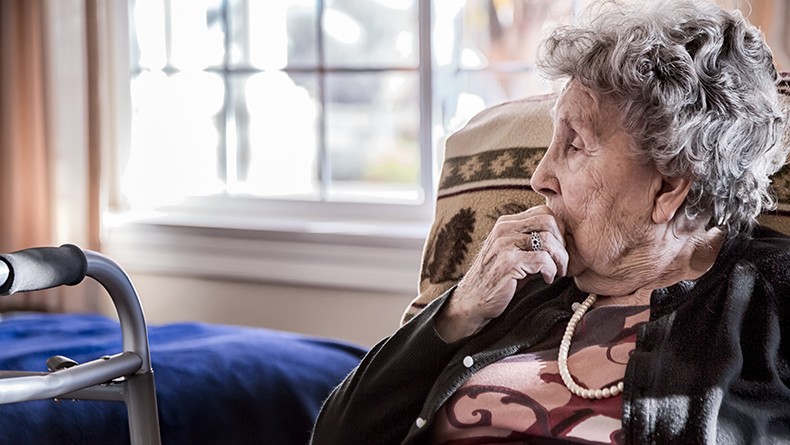
The COVID-19 Imperative: Keep Family Caregivers and Long-Term Care Facility Residents Connected
Family caregivers are often the critical factor that enable older adults who need long-term services and supports to live at home and in the community.

The pandemic offers an opportunity to experiment with meaningful digital gatherings, from book clubs to happy hours to religious services.
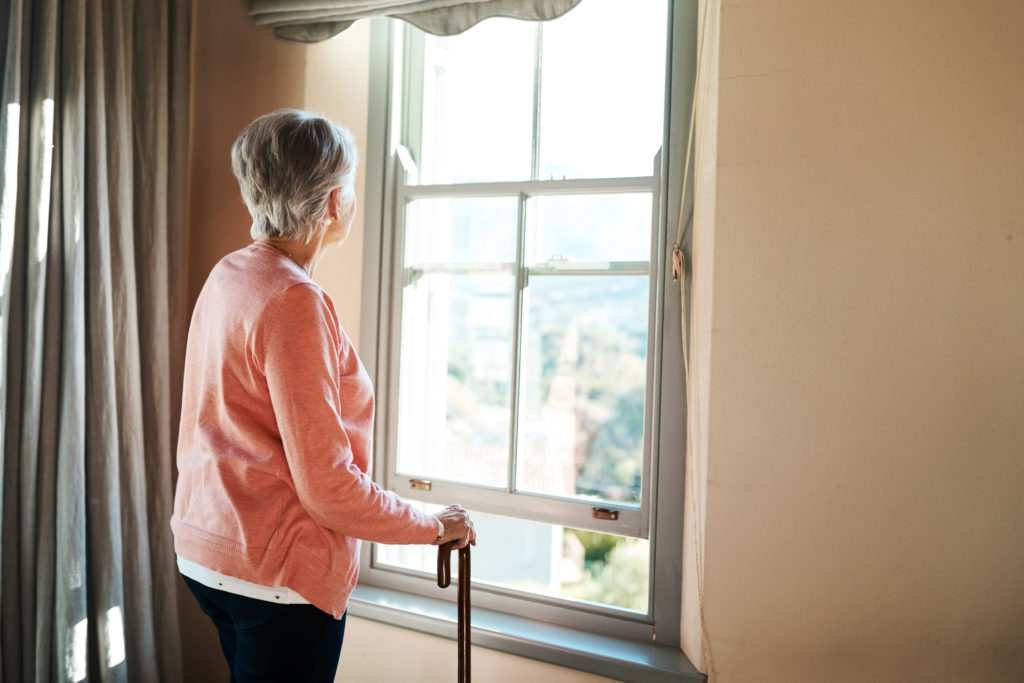
Even before the onset of Covid-19, older Americans were experiencing an epidemic of social isolation and depression.
